The Ghanaian Culture
People and Community
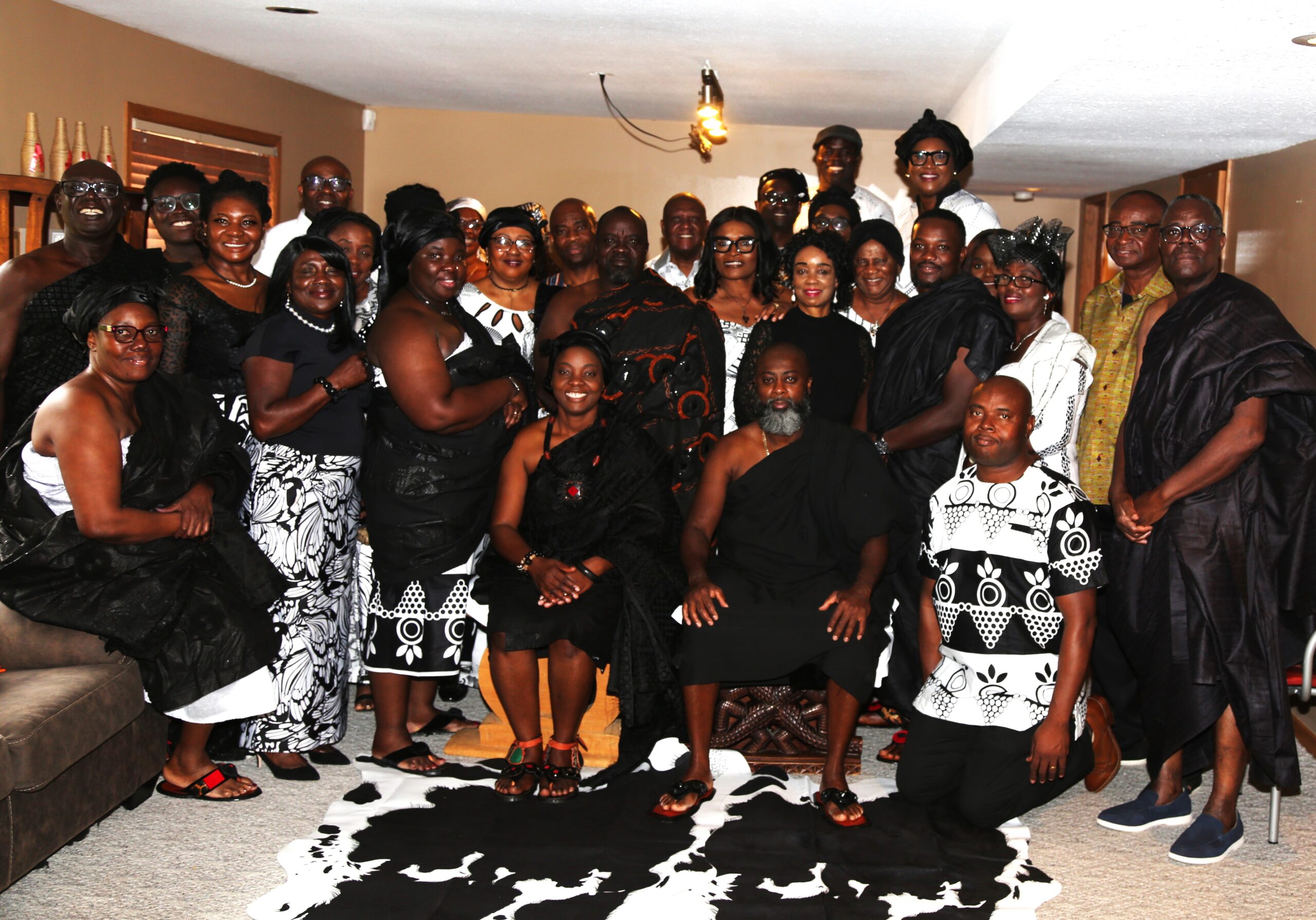
Host families in Ghana are typically large, with several generations living in the same compound. By nature, Ghanaians are warm, friendly and hospitable. families may be quite strict and protective of their children.
Family structure
Family is a very strong bond in Ghana and is the primary source of identity, loyalty and responsibility. Ghanaians emphasize communal values such as family, respect for the elderly, honoring traditional rulers, and the importance of dignity and proper social conduct. Individual conduct is seen as having impact on an entire family, social group and community; family obligations take precedence over everything else in life. Individuals achieve recognition and social standing through their extended family. The entire family shares any loss of honor, which makes the culture a collective one. In order to protect this sense of face there is a need to maintain a sense of harmony; people will act with decorum at all times to ensure they do not cause anyone embarrassment.
Religions: Christian 68.8% (Pentecostal/charismatic 24.1%, protestant 18.6%, catholic 15.1%, other 11%), Muslim 15.9%, traditional 8.5%, other 0.7%, none 6.1% (2000 census) Ghana has the highest percentage of Christians in west Africa, but the belief in traditional animist religions is still extremely common.
Hierarchy
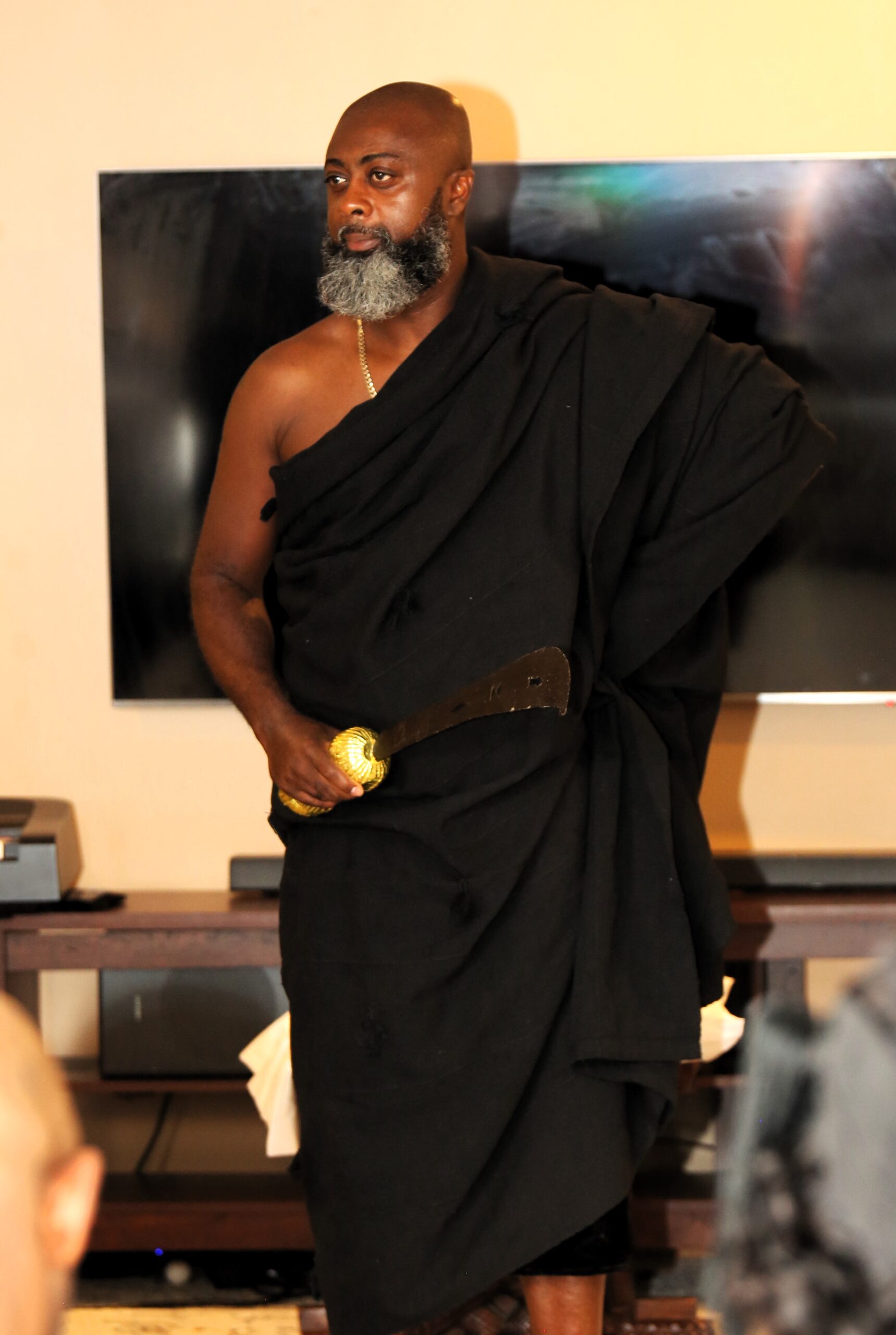
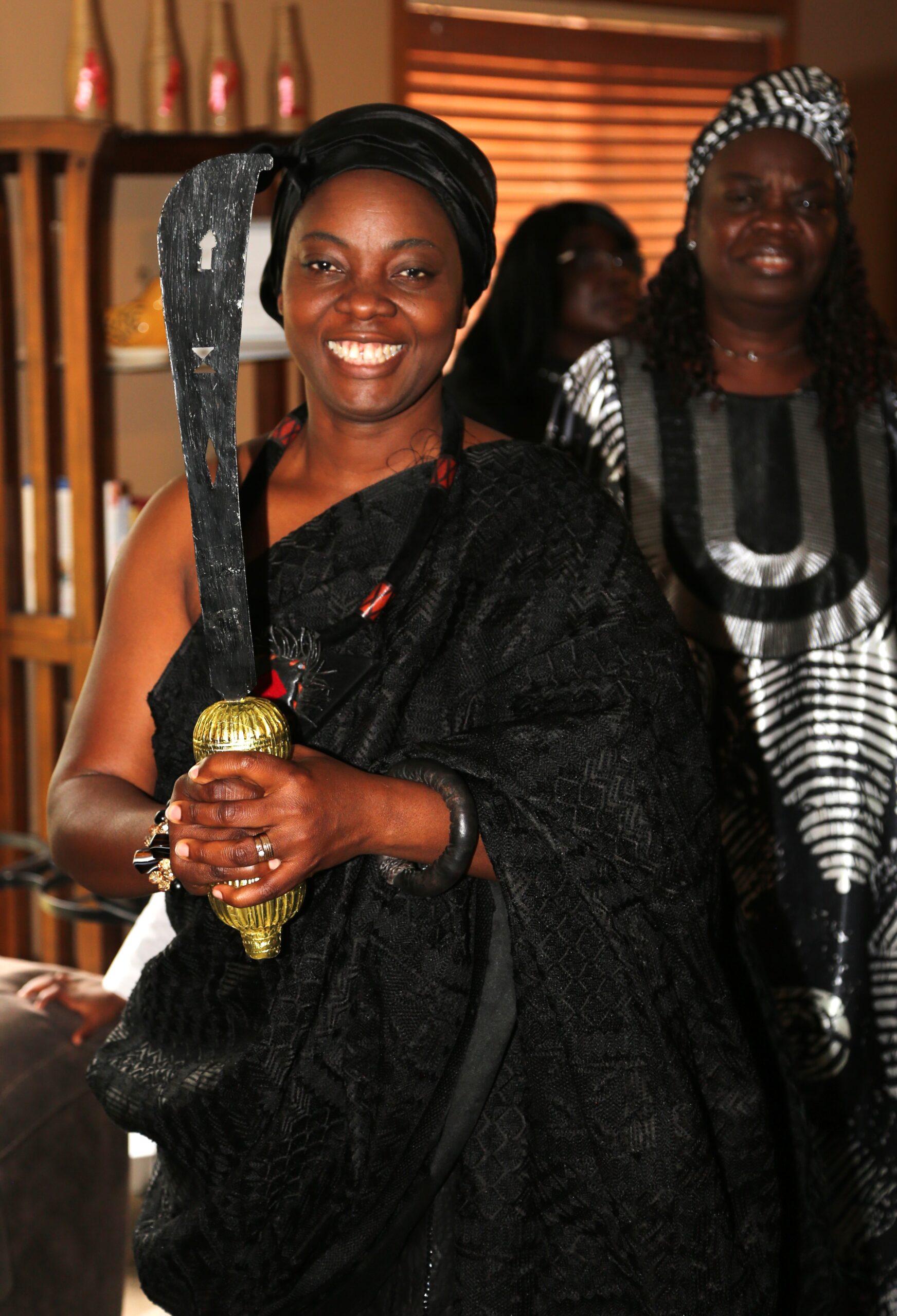
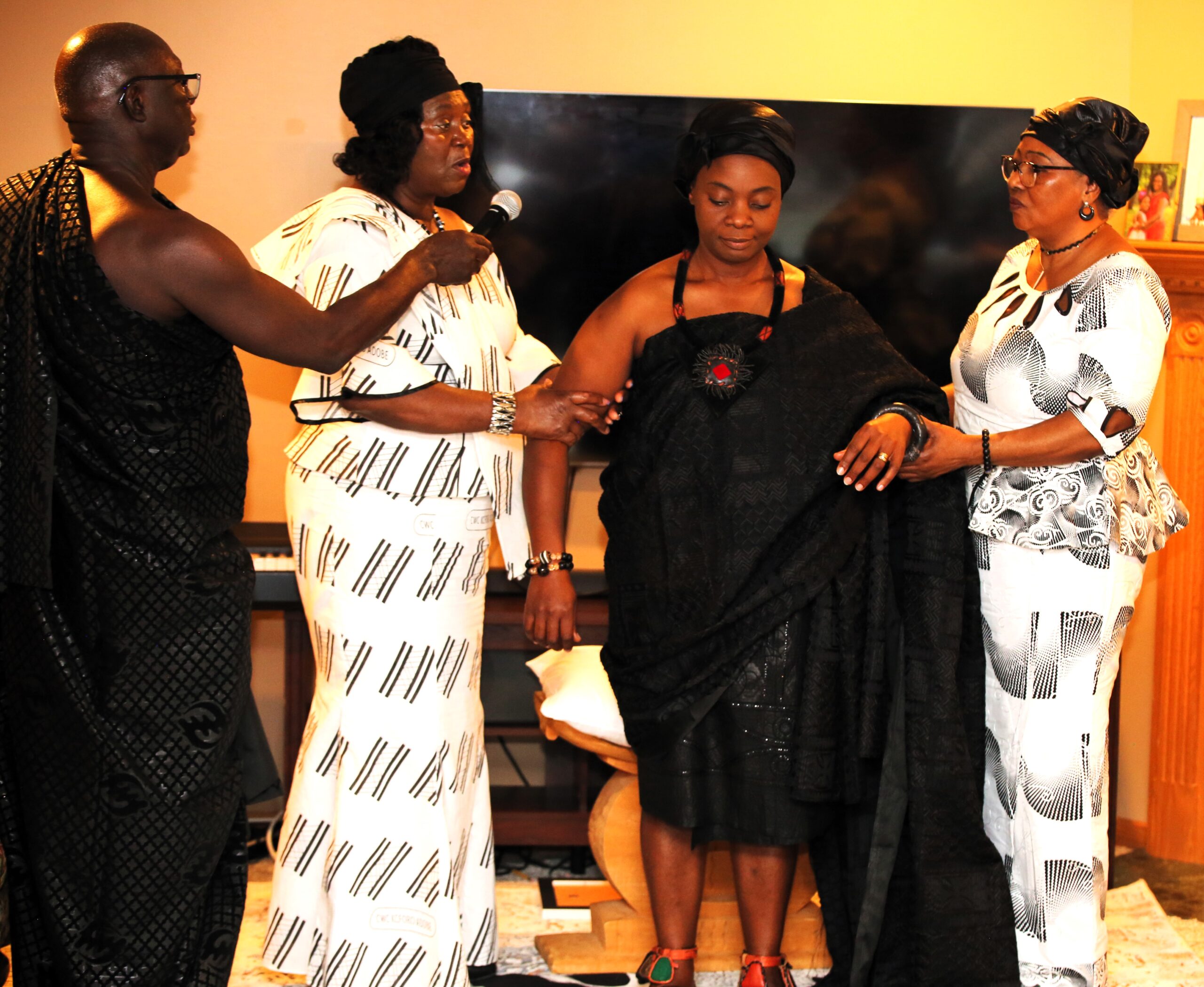
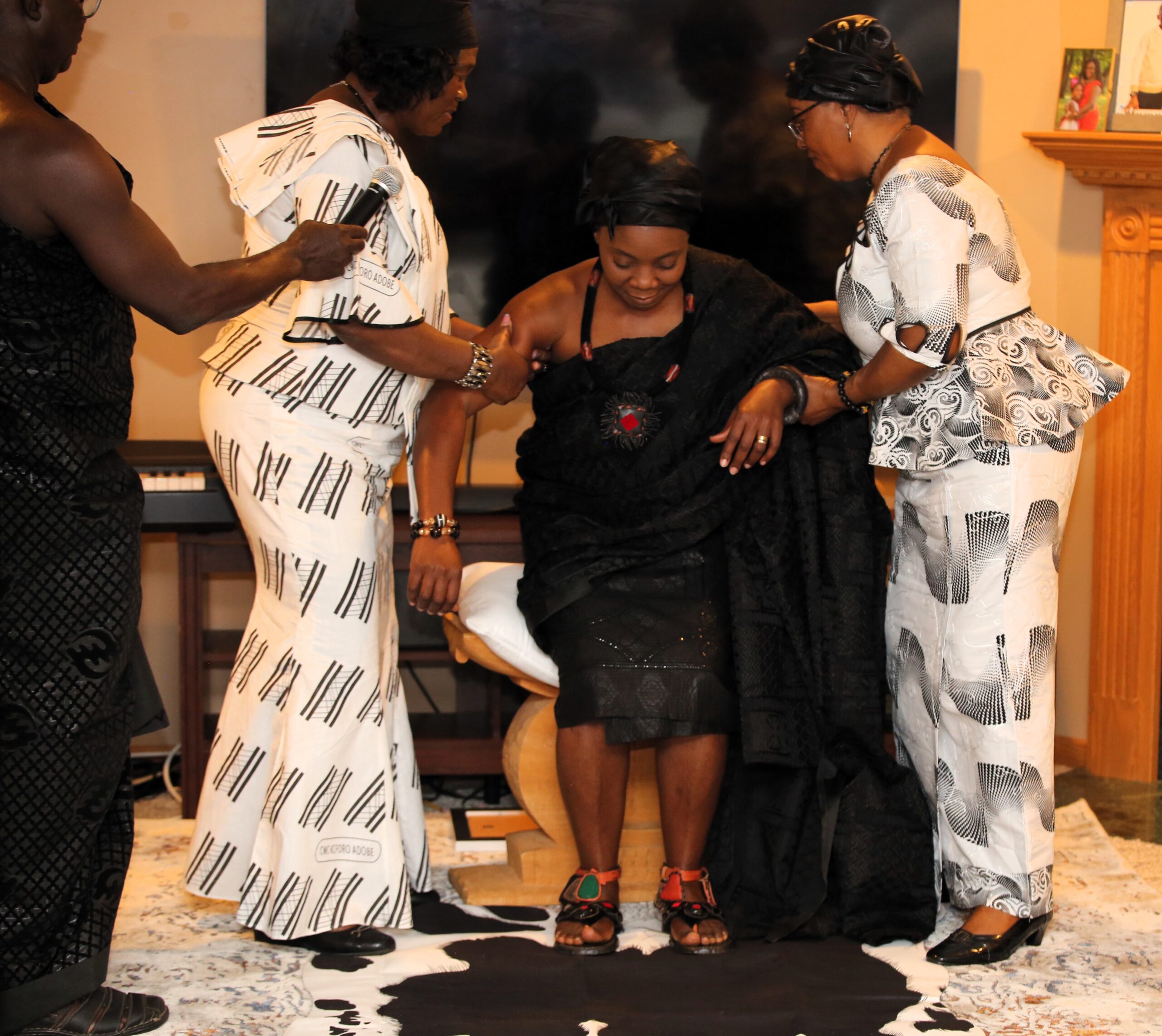
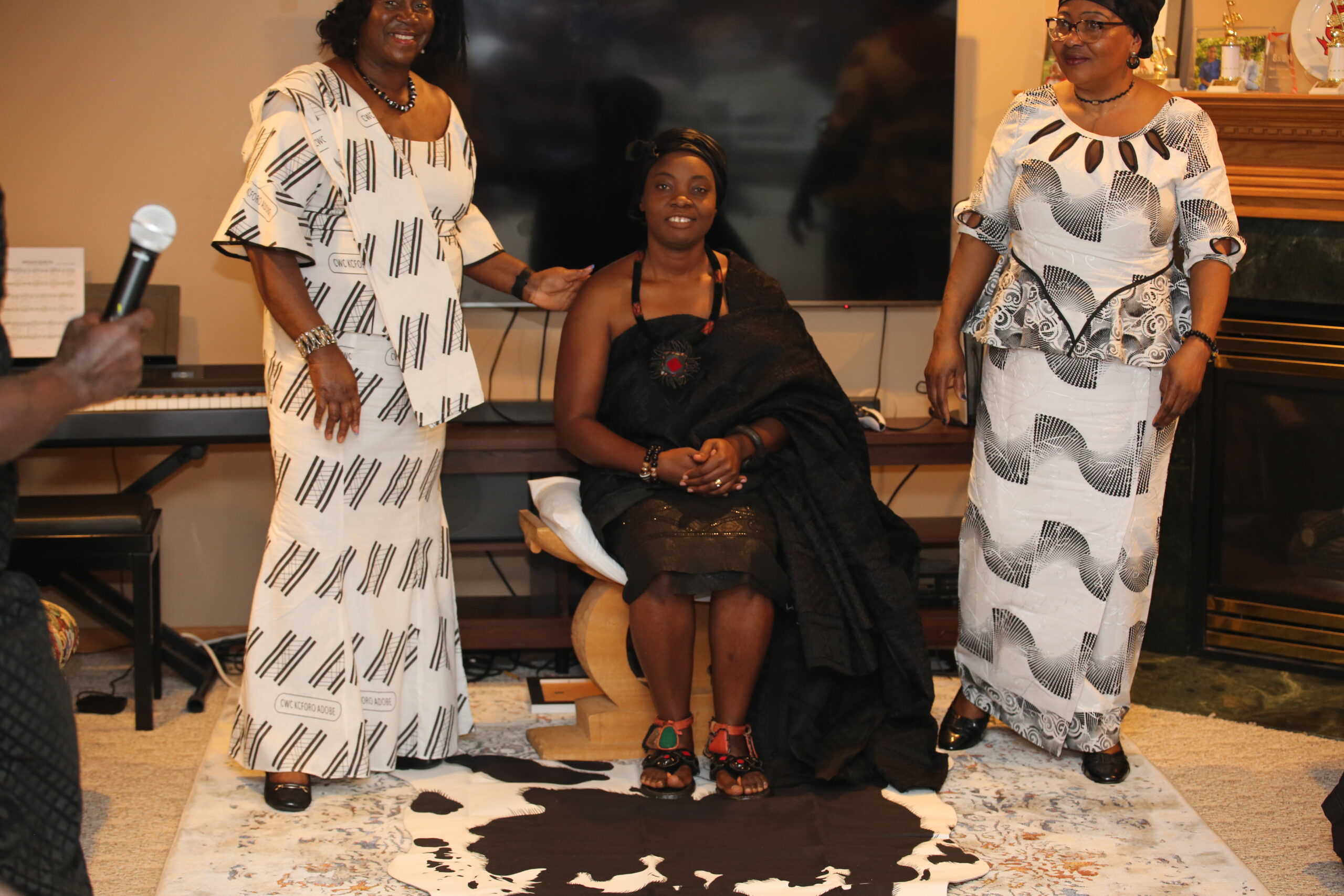
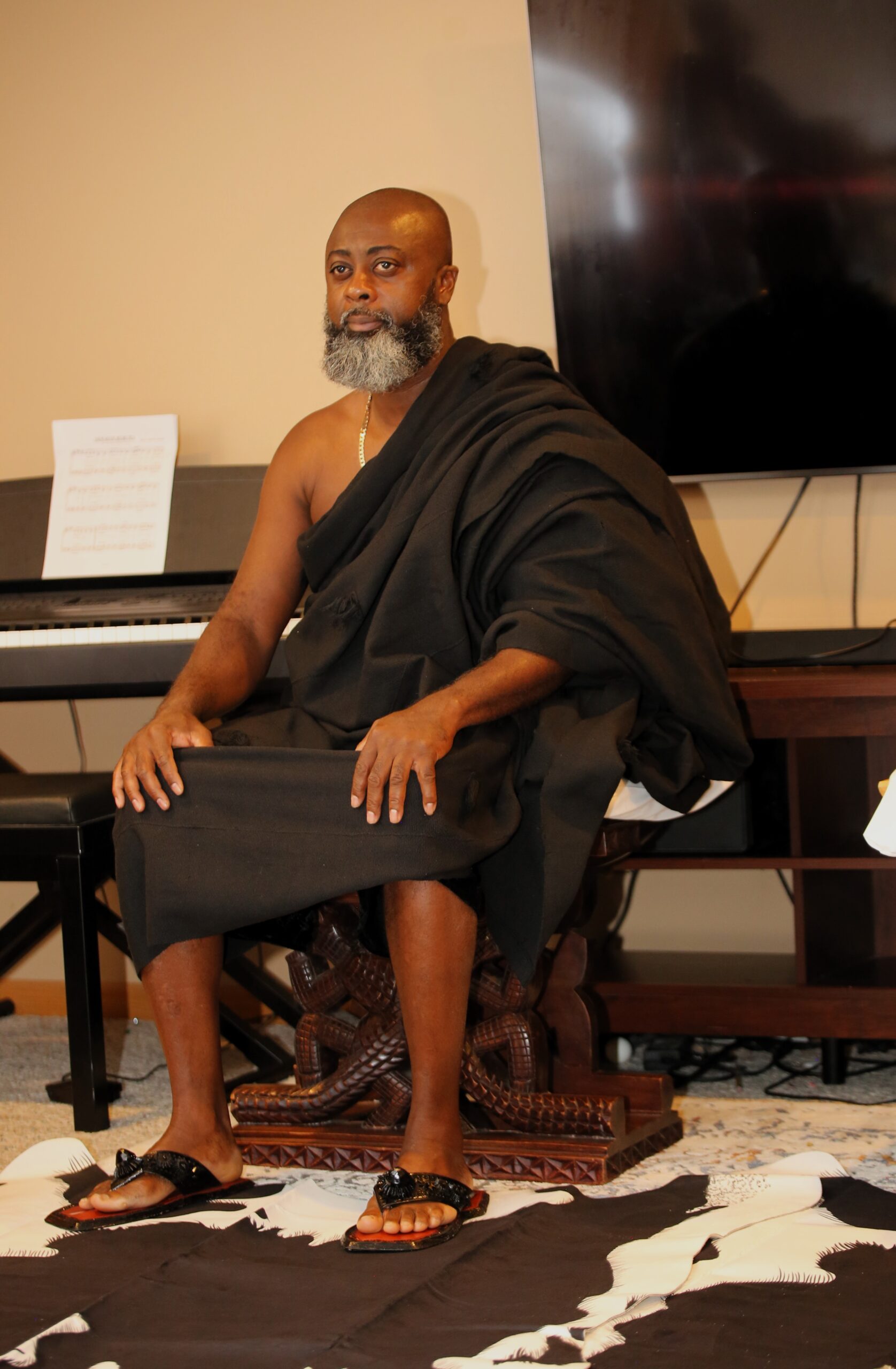
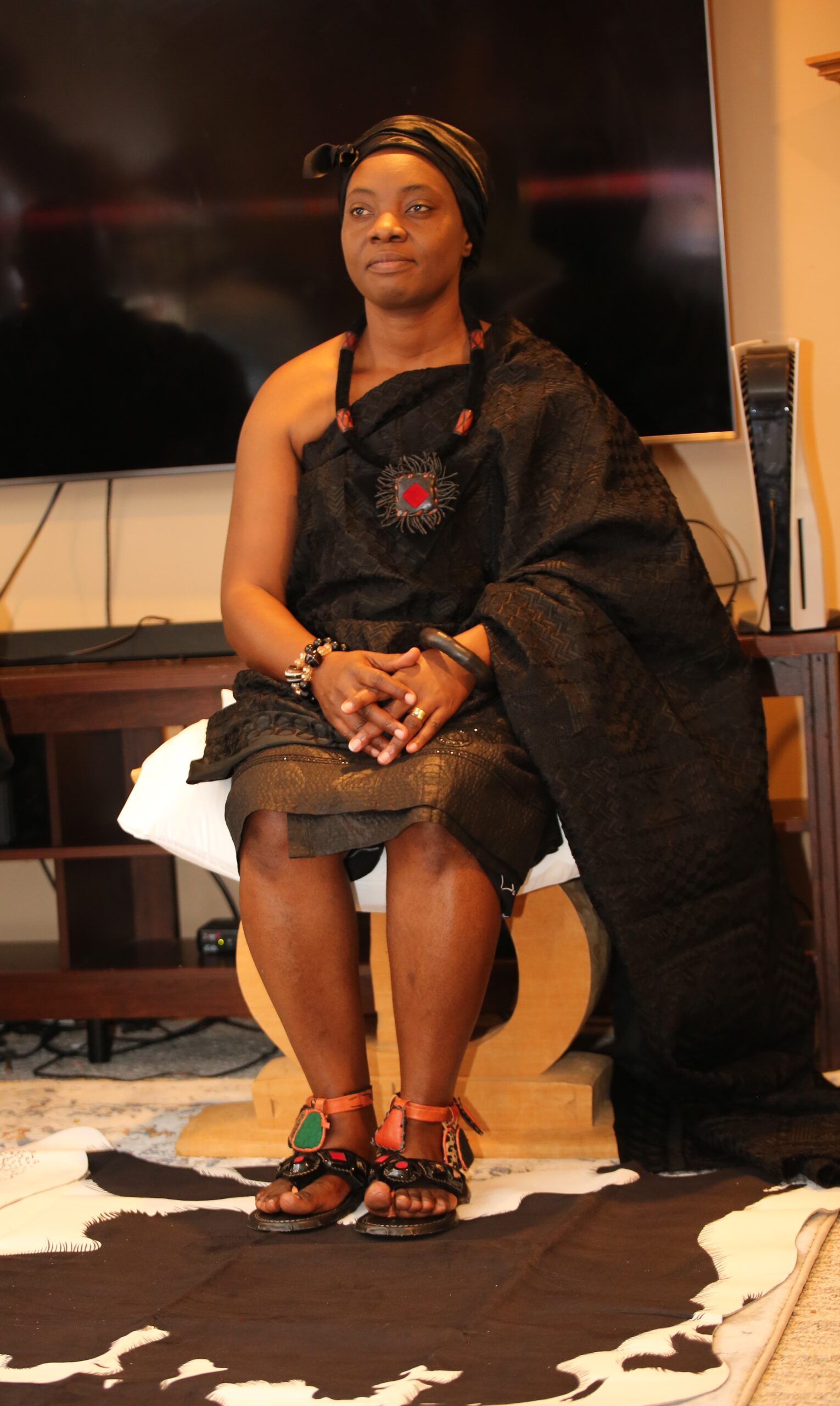
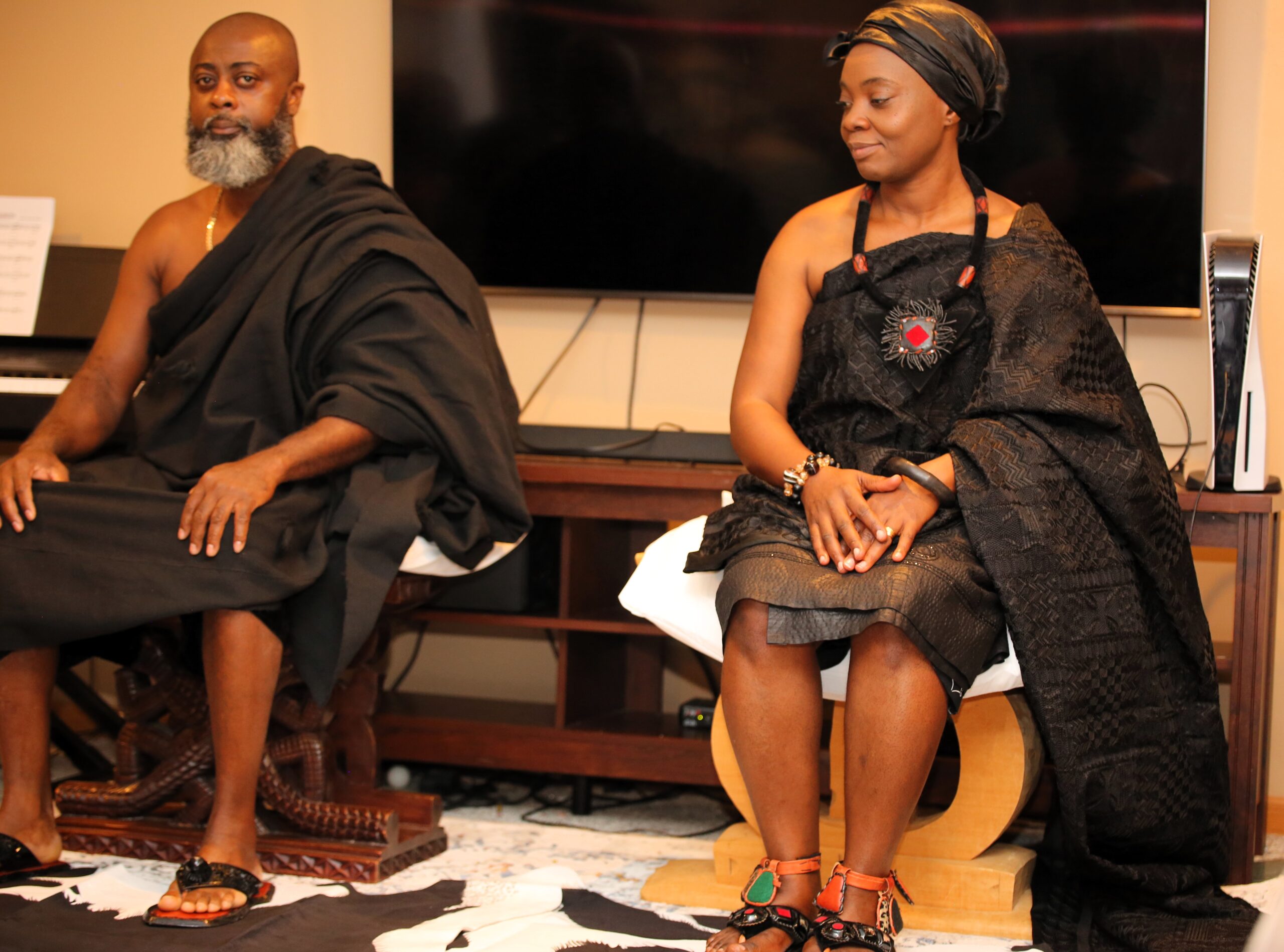
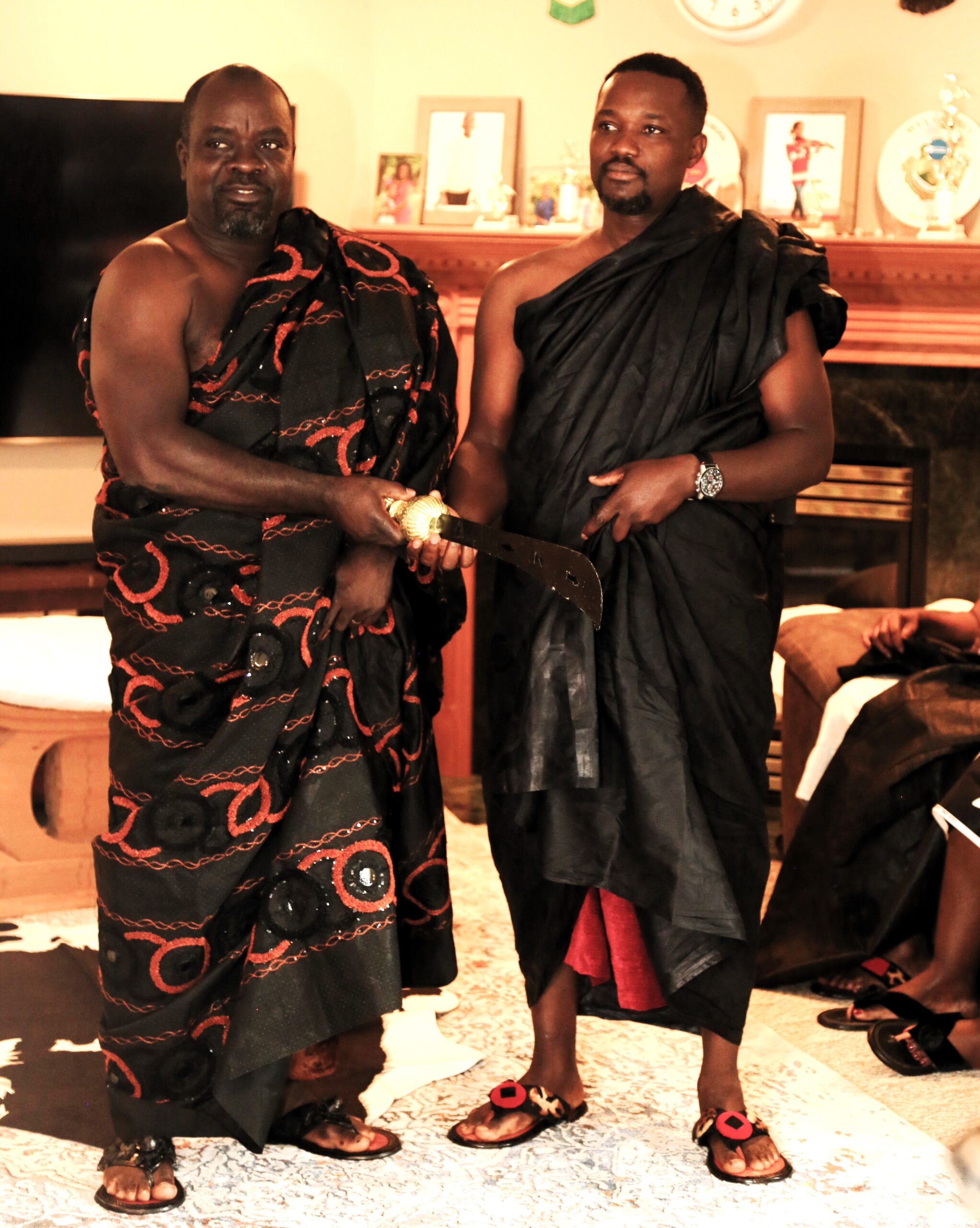
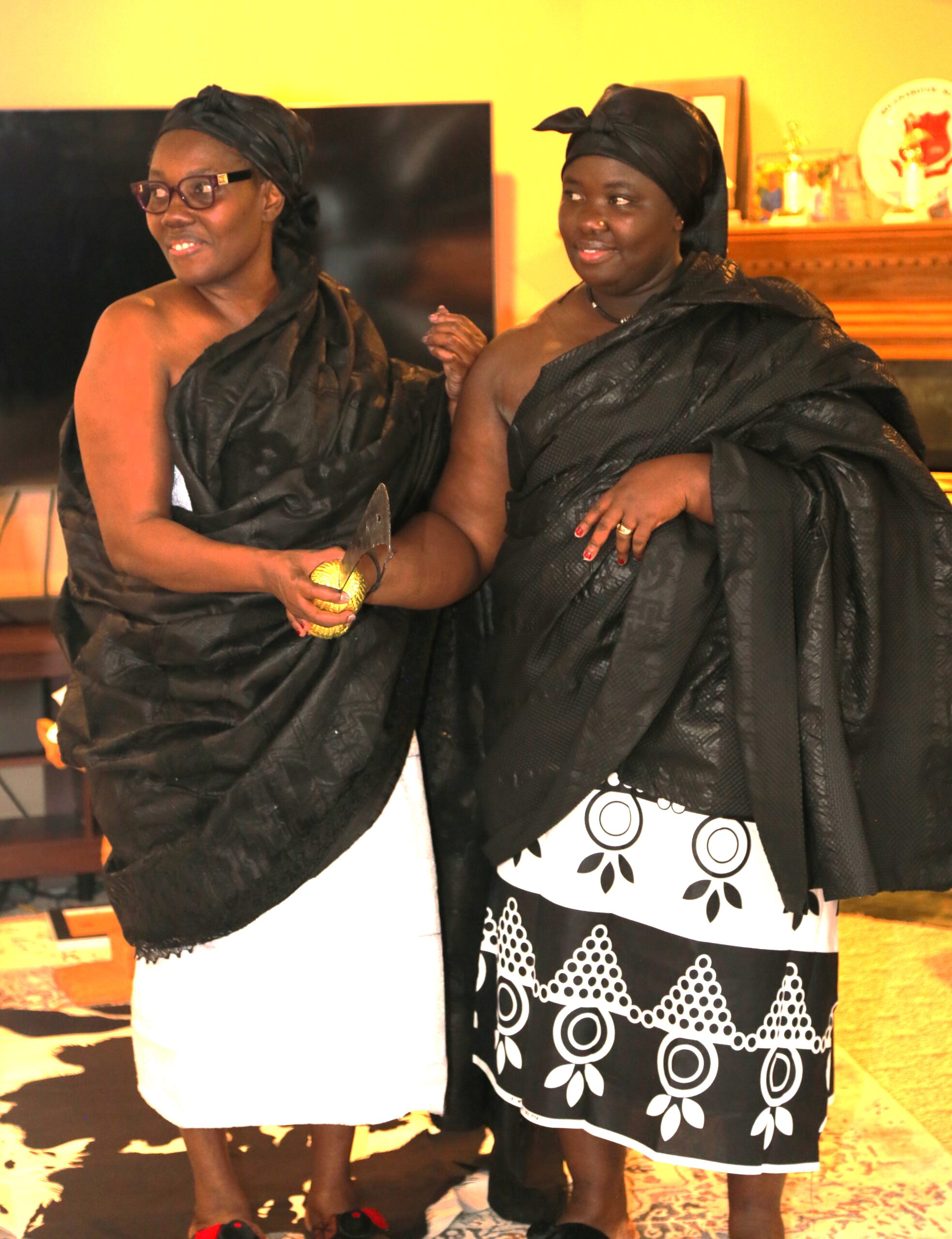
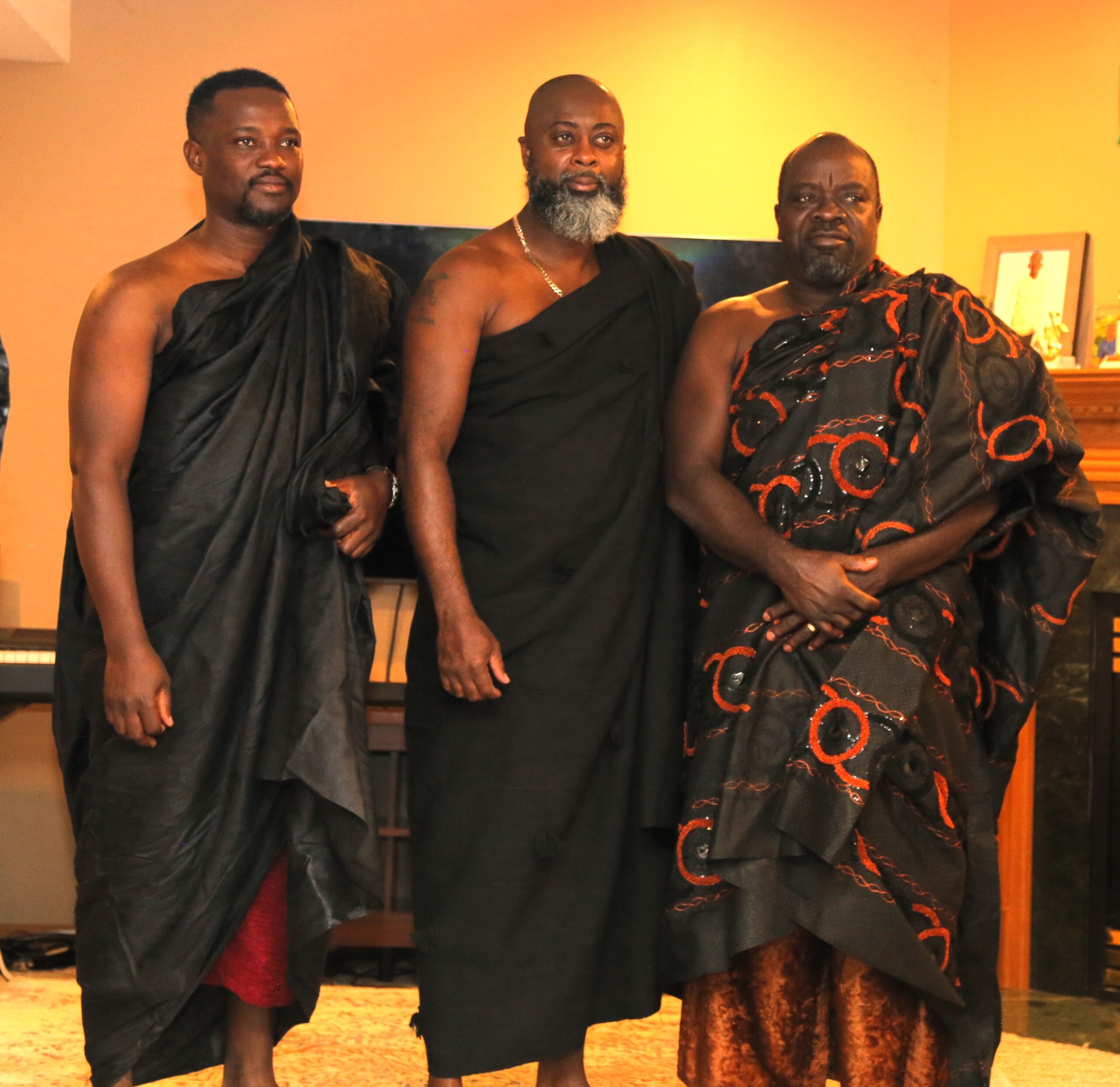
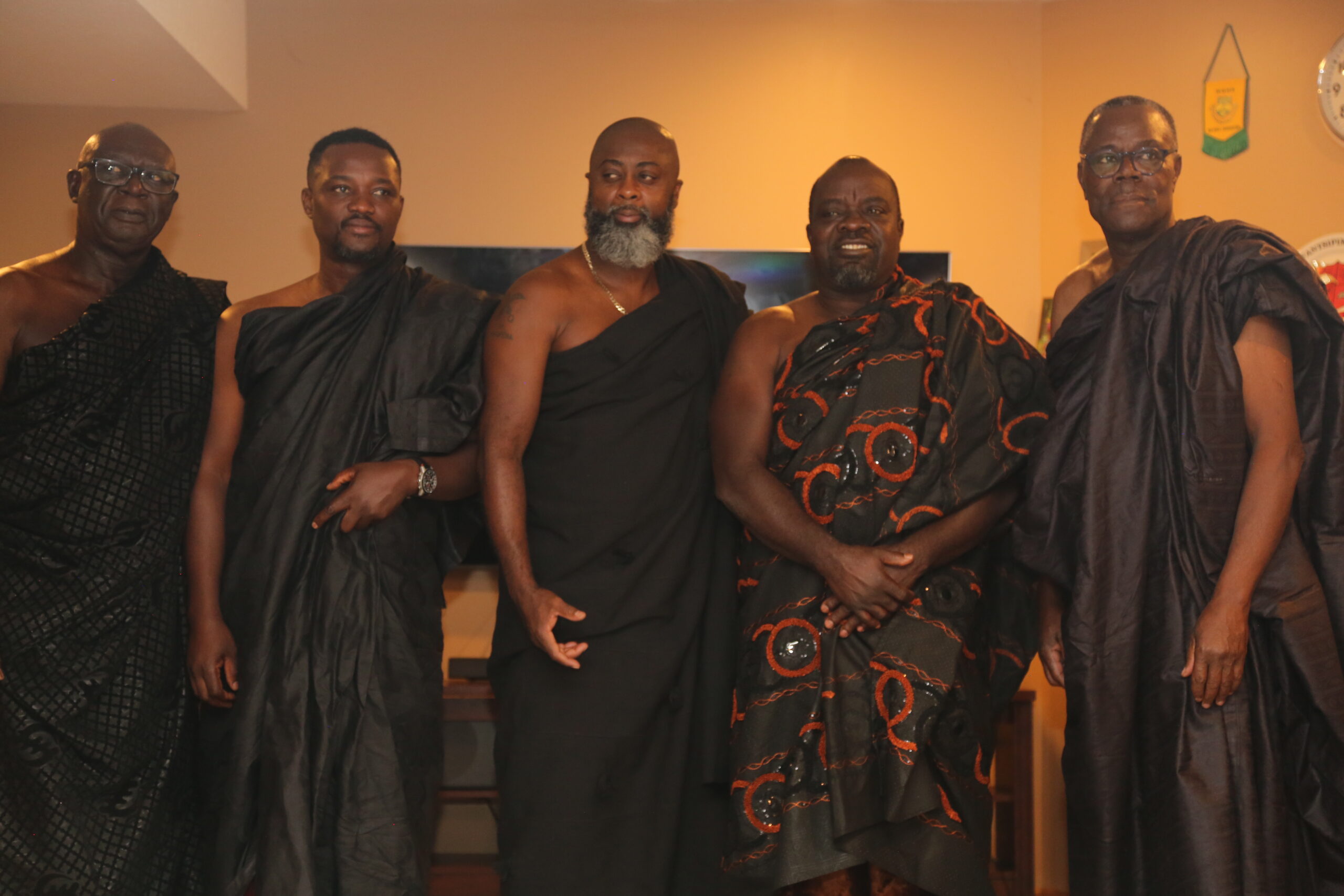
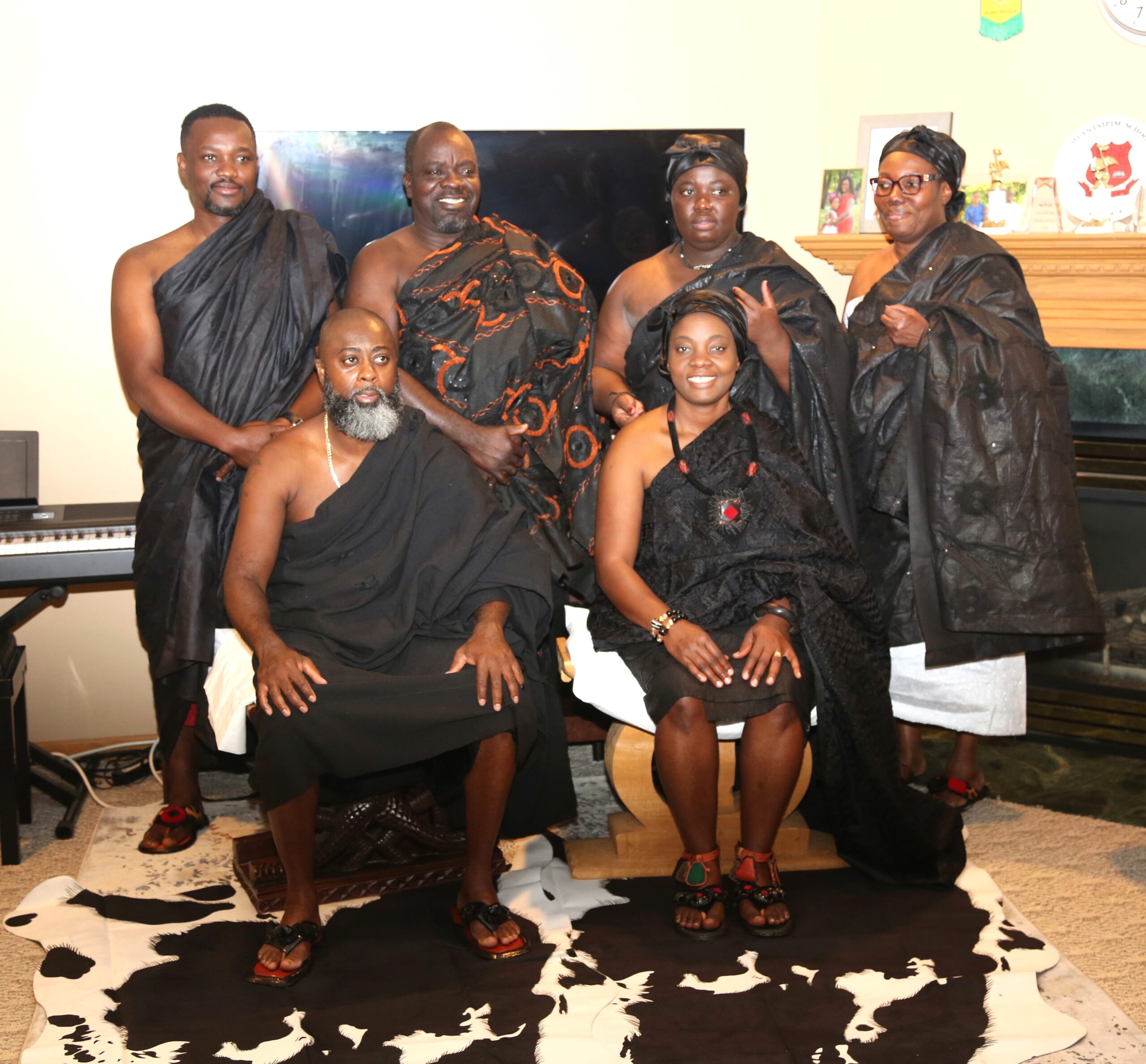
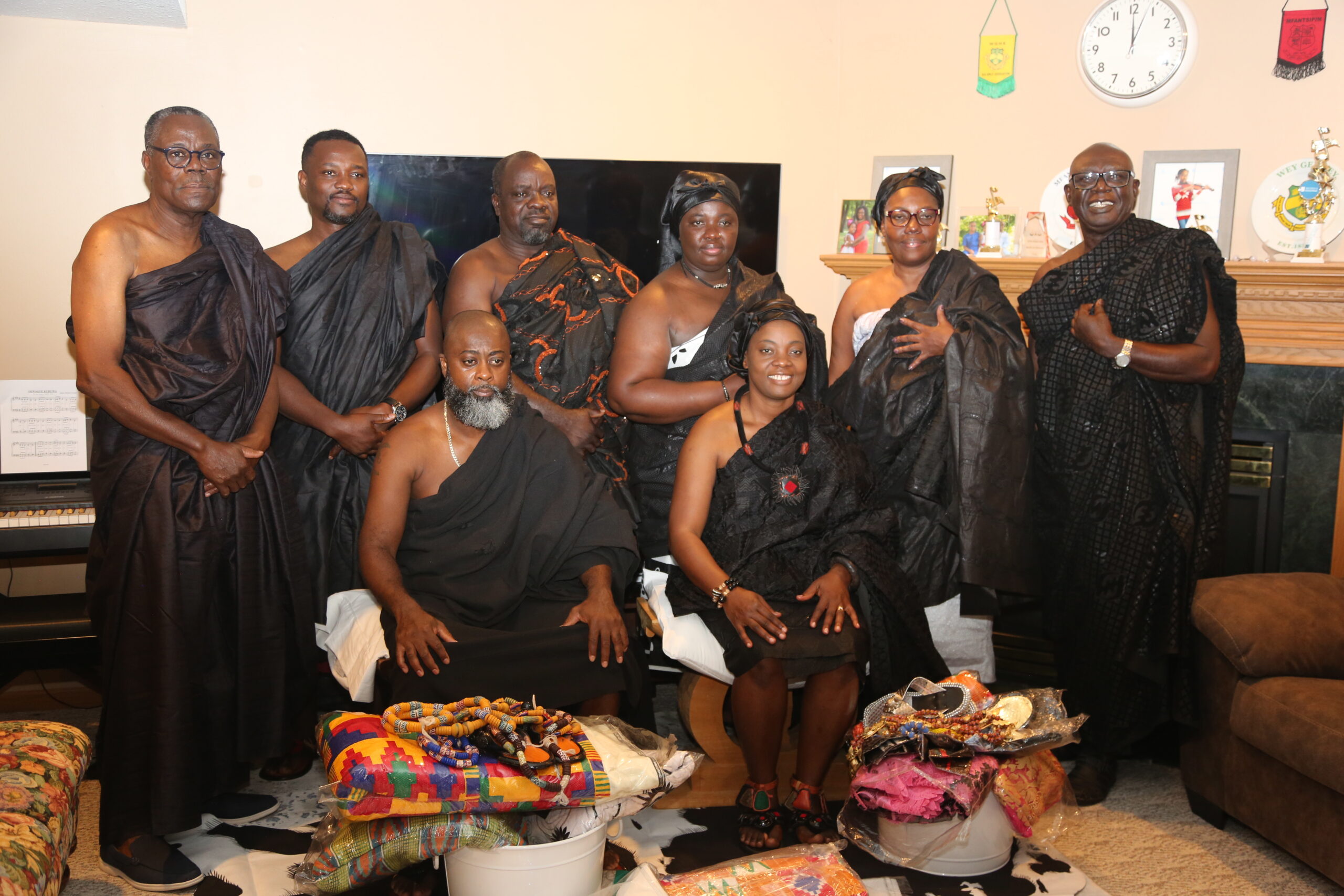
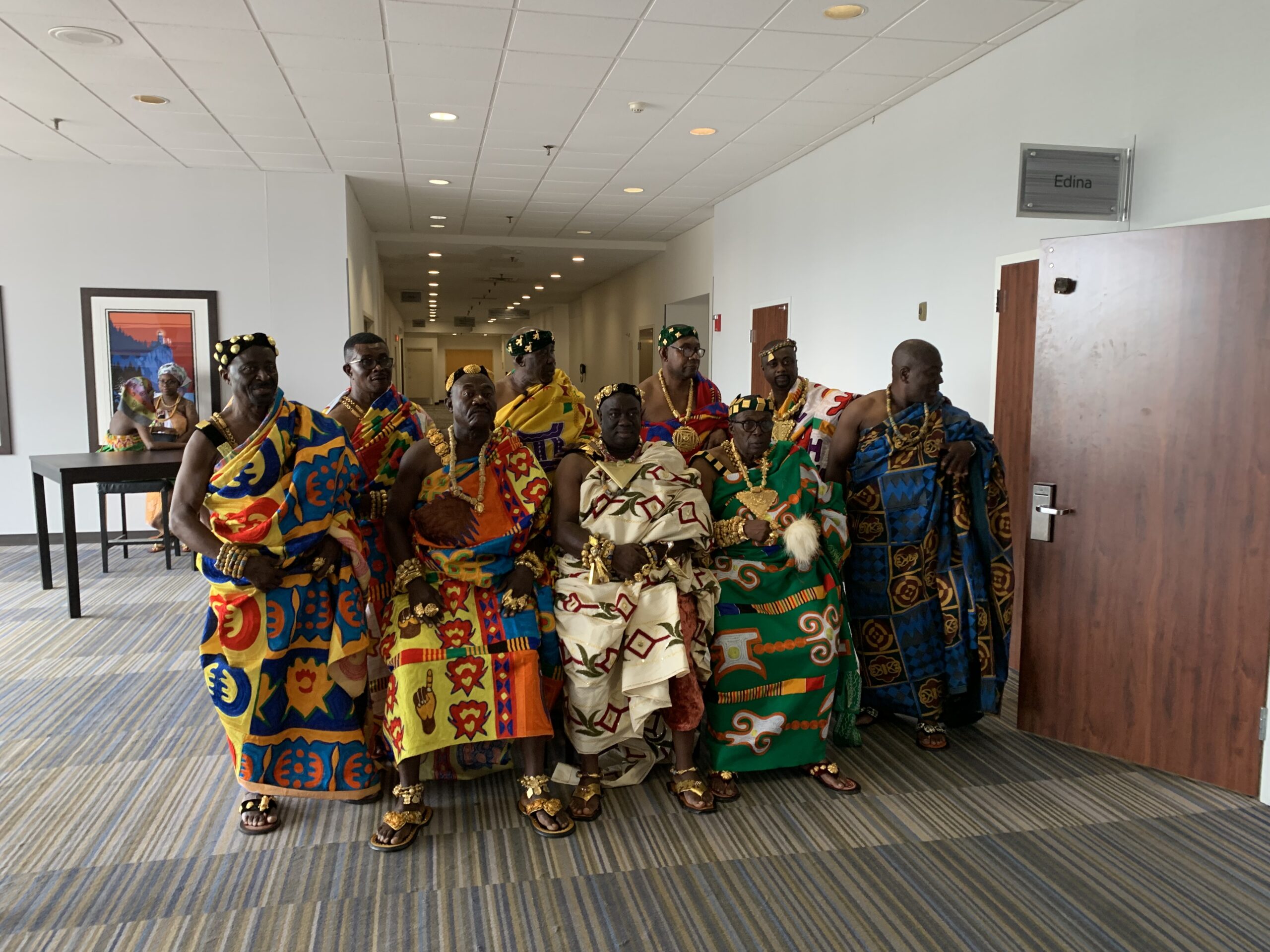
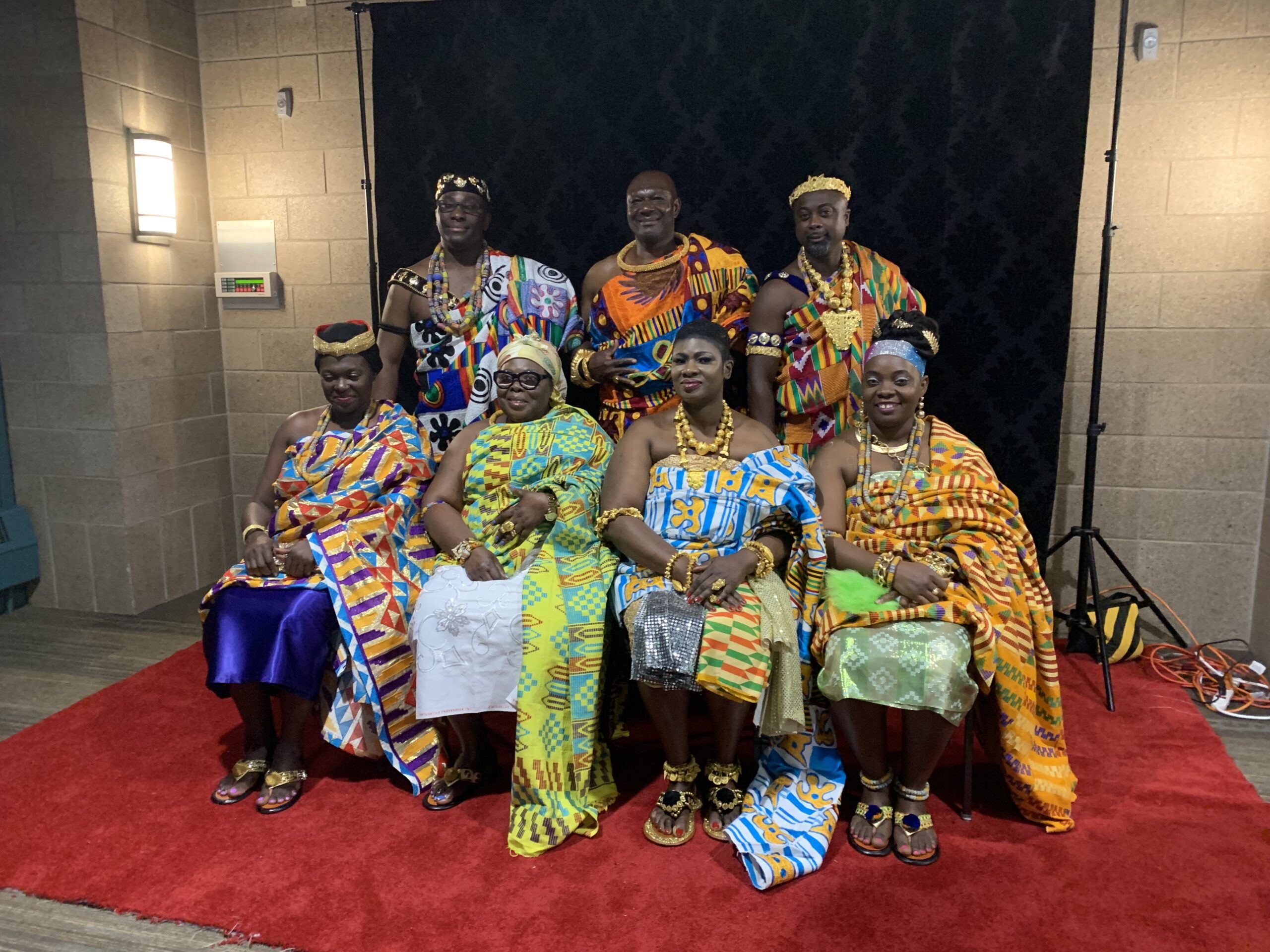
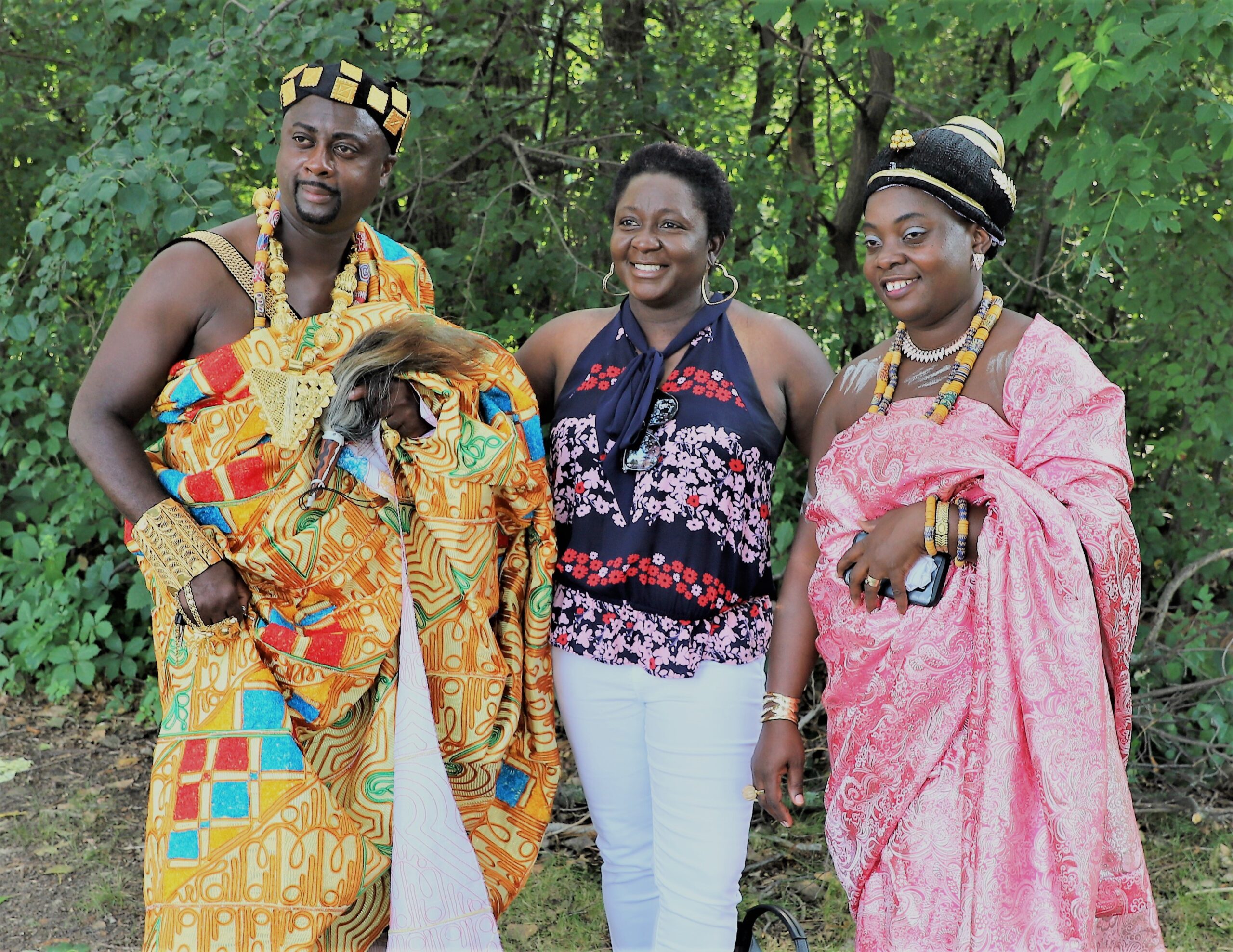
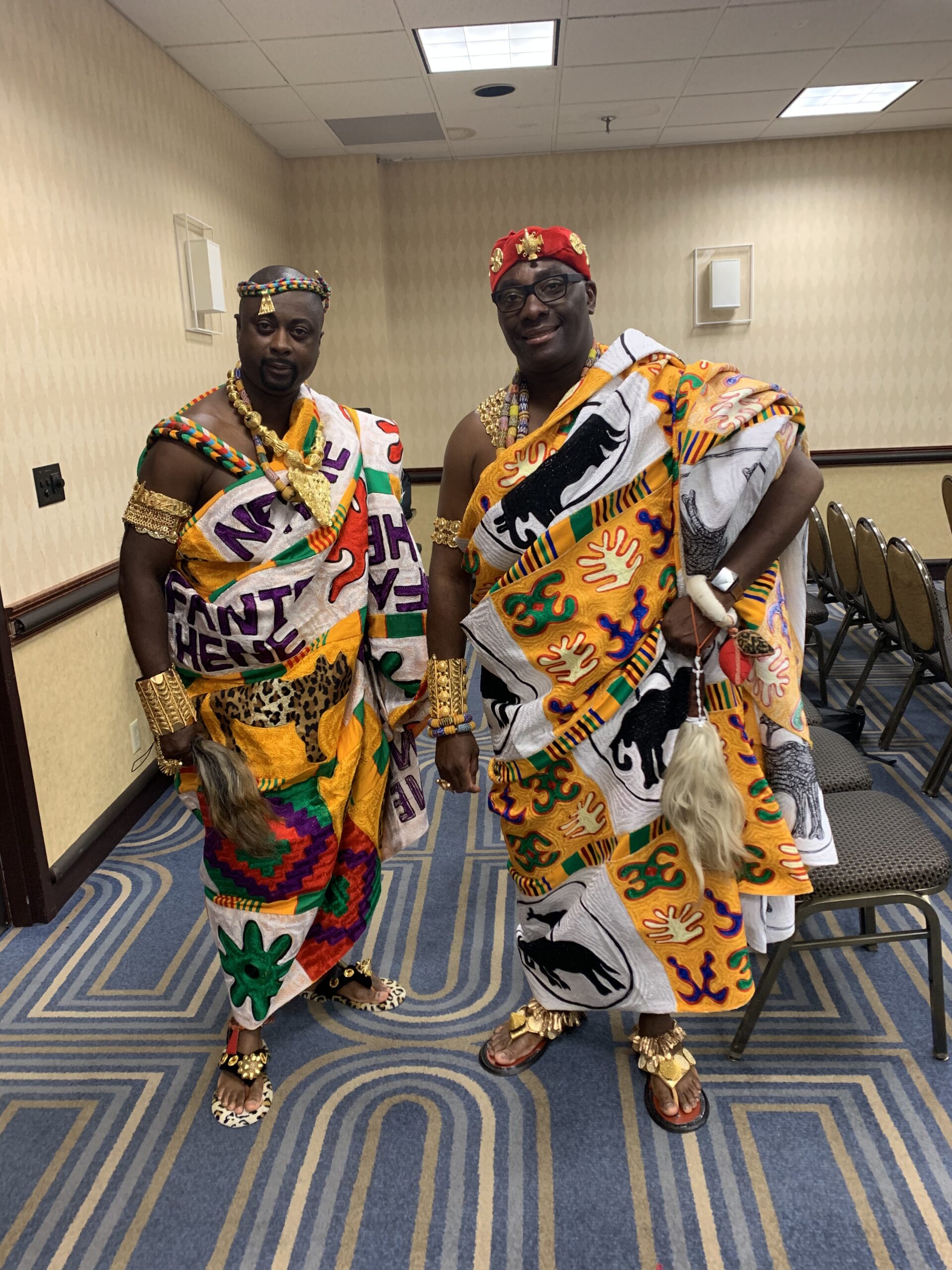
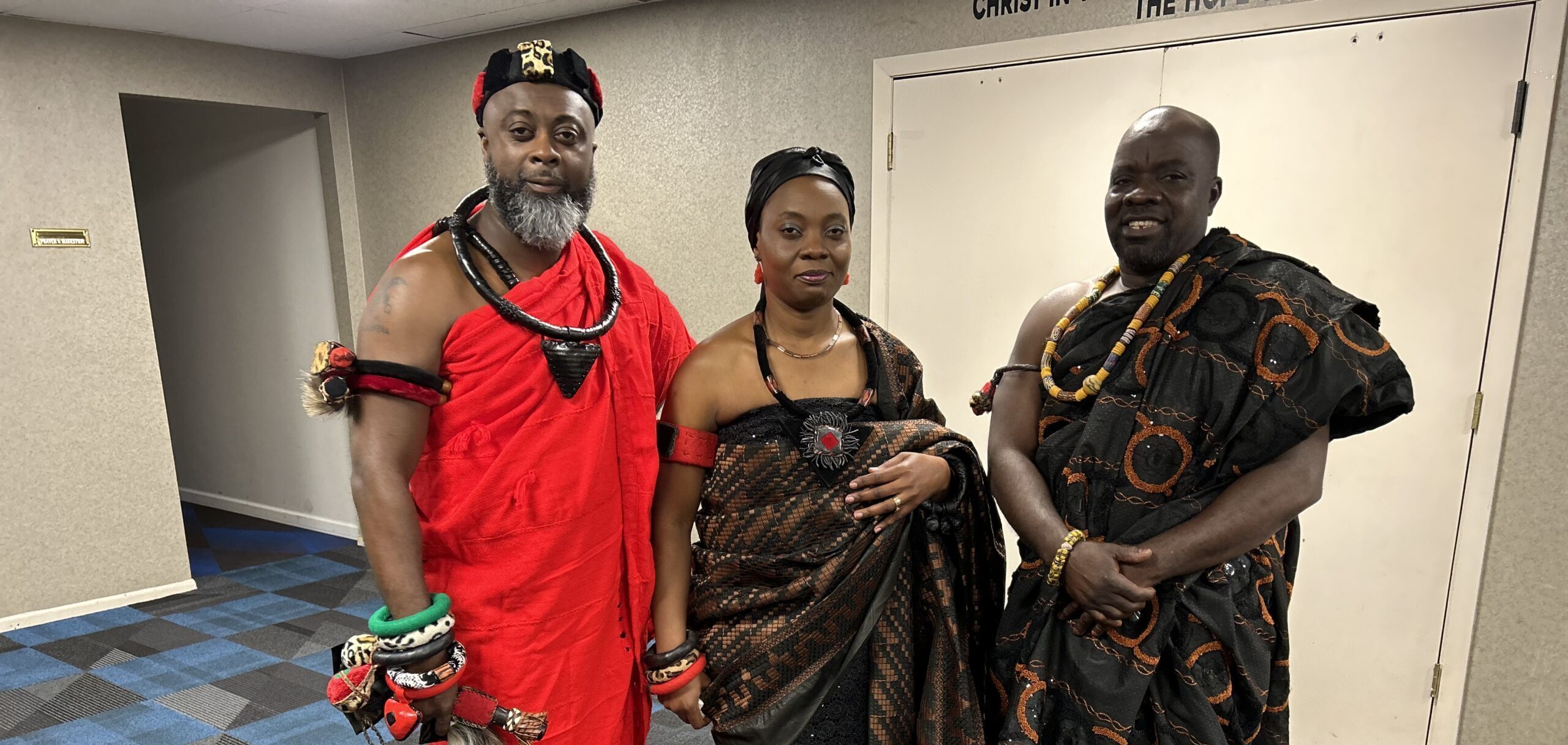
Ghanaian society is hierarchical. People are respected because of their age, experience, wealth and/or position. Older people are viewed as wise and are granted respect. In a group one can always see preferential treatment for the eldest member present. With respect comes responsibility and people expect the most senior person to make decisions that are in the best interest of the group. Customs are often passed on through the extended family, and the customary leaders or chiefs, are given historical authority over social, family, and land-related matters. Relationships within traditional society are based on family membership, inherited status, and ancestral beliefs. In modern society, relationships are determined by achieved status, formalized education, membership in professional associations, and ethinic affiliation. The result is that, even those who live primarily in the modern urban settings remain bound to traditional society through the kinship system and are held to the responsibilities that such associations entail.
An interesting cultural variation among the Akan, or Ashanti and Fanti people, is that affiliation within the clan is through women. Mothers have a higher status as in their point of view people get their blood from mothers.